Home education learning pathway example for children studying online in the UK
Structured learning pathway for home educated children with online classes and progression steps
Home educated children following a personalised learning pathway with Learn Laugh Play classes

Quick Answer  

Home education allows families to shape learning in a way that suits their child, combining structured learning, independent exploration, and qualifications such as GCSEs where needed.

Introduction

One of the key differences between school and home education is the level of flexibility available.

Rather than following a fixed curriculum, families can decide how learning is structured, what is prioritised, and how quickly or slowly to move through topics.

This page outlines the different ways learning can be approached and how families often combine them over time.

Different Learning Approaches

There is no single way to structure learning at home. Common approaches include:

– structured subject-based learning  
– interest-led learning  
– project-based learning  
– a combination of approaches  

Many families find that their approach develops gradually as they see what works best for their child.

You can explore these in more detail in Choosing Between Structured and Interest-Led Learning.

Subjects and Areas of Learning

Families often include a mix of:

– core subjects such as maths and English  
– science and humanities  
– creative subjects  
– practical and life skills  

The balance between these areas can vary depending on the child and the stage they are at.

GCSEs and Qualifications

GCSEs for Home Educating children and other qualifications are down to what the family decides is best for their child.

This usually involves:

– selecting subjects  
– preparing independently or with support  
– entering exams as a private candidate  

Using Classes to Support Learning

Some families choose to include external support as part of their learning.

This might involve:

– live classes  
– structured courses  
– subject-specific support  

You can see how this works in practice on our Classes page.

Balancing Structure and Flexibility

Finding the right balance between structure and flexibility can take time.

Some families prefer a more structured approach, while others lean towards flexibility, and many use a combination depending on the subject or stage.

Explore More

– What Subjects Should You Cover  
– Creating a Flexible Curriculum  
– Tracking Progress at Home 

Conclusion

Home education learning pathways are not fixed and it is perfectly healthy if they evolve naturally over time as you find your feet as a home educator, and as your children grow and their needs change.

You can explore more detailed guides on specific approaches and decisions throughout this section as you shape a pathway that works for your child and your family.

The next 4 PinWin badges are unlocked!

Visit PinWins to find out which 4 exciting new PinWins have been unlocked!

Every PinWin includes:

1 x bespoke enamel badge

1 x Discovery Book full of 48 exciting learning activities.

Print friendly/ no print activity pack

1 x Reference Guide full of extra support materials

Free P & P

At the end of each month all members are invited to our really special family PinWin award ceremony on Zoom, where your child is officially awarded their PinWin badges!

If you are looking for some really relaxed child-led learning activities for your child this summer, there is also a free PinWins summer challenge where EVERYONE can win a certificate or a free PinWin!

What does your child want to learn this month?
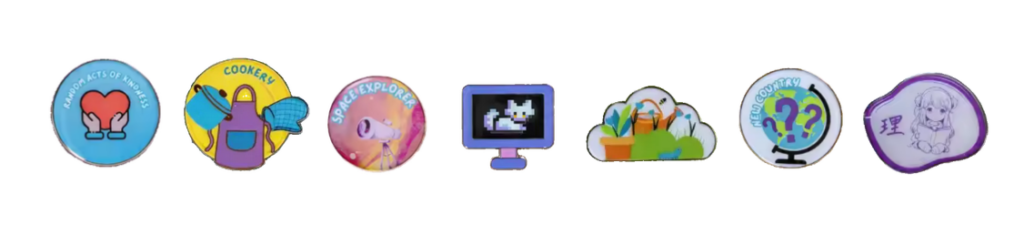
PinWins independent learning badges