Home Education Humanities and Social Sciences
Quick Answer
A home education humanities and social sciences curriculum helps children understand history, geography, and the wider world through discussion, exploration, and critical thinking. In this guide, we explain how humanities and social sciences can work in home education, what online humanities and social science classes are available in the UK, and how to build a pathway that suits your child.
Humanities and Social Sciences Pathway Download
Introduction
Humanities and social science subjects help children understand the world around them — past, present, and future. In home education, these subjects can be explored in a way that encourages curiosity, discussion, and deeper thinking.
Rather than focusing only on facts, humanities and social science learning helps children develop perspective, empathy, and critical thinking skills.
Many families search for home education humanities or social science subjects in the UK for classes that support flexible learning. This guide is designed to help you understand the options available and how to build a humanities pathway for your child.
One of the advantages of home education is the opportunity to explore topics in more depth, often through project-based learning, which can be both meaningful and enjoyable.
What a Home Education Humanities and Social Science Curriculum Can Look Like
A humanities and social science curriculum in home education may include:
– history and how the past shapes the present
– geography and understanding the world
– social sciences such as psychology, sociology, and economics
– philosophy, debate, and discussion
At Learn Laugh Play, humanities and social science classes range from early topic-based learning through to GCSE and IGCSE subjects such as History, Geography, Psychology and Sociology.
How Humanities and Social Sciences Learning Can Work in Practice
Humanities and social sciences learning works particularly well when children explore a range of topics.
Some families choose one subject, such as history. Others combine multiple humanities subjects to give a broader understanding of the world.
For example:
– combining history and geography
– exploring psychology alongside sociology
– including discussion-based classes such as philosophy or debate
Lessons are designed to be engaging and manageable:
– 40 minutes for younger children
– 50 minutes for older children
This allows time for discussion and reflection, as well as a break between sessions.
Age ranges are a guide, and families are encouraged to choose the level that feels right for their child.
What This Can Look Like for Your Child
Exploring the World (Ages 4–7)
A younger child may begin with topic-based classes such as Around the World and History Alive.
Around the World classes start at Key Stage 1 and progress through Key Stage 2 and Key Stage 3. These classes focus on learning about different countries and cultures, often including hands-on activities such as cookery, music, and crafts.
They are not based strictly on the Geography curriculum, which allows for a more immersive and creative experience. Separate Geography classes are available from Key Stage 2 onwards for more structured learning.
Making History Meaningful (Ages 5–11)
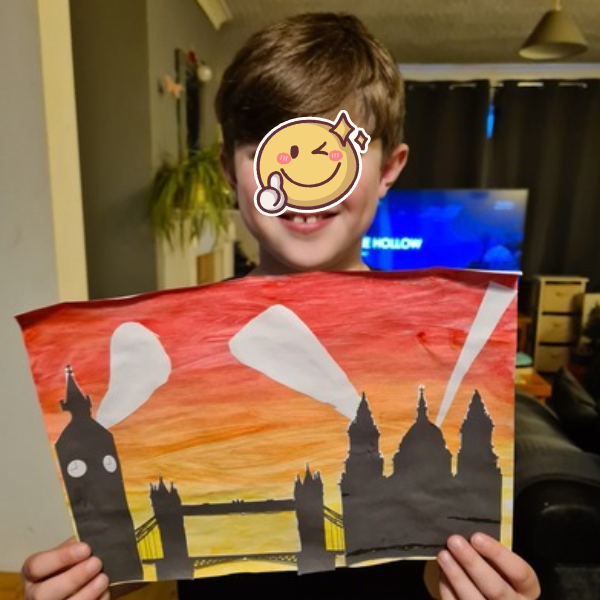
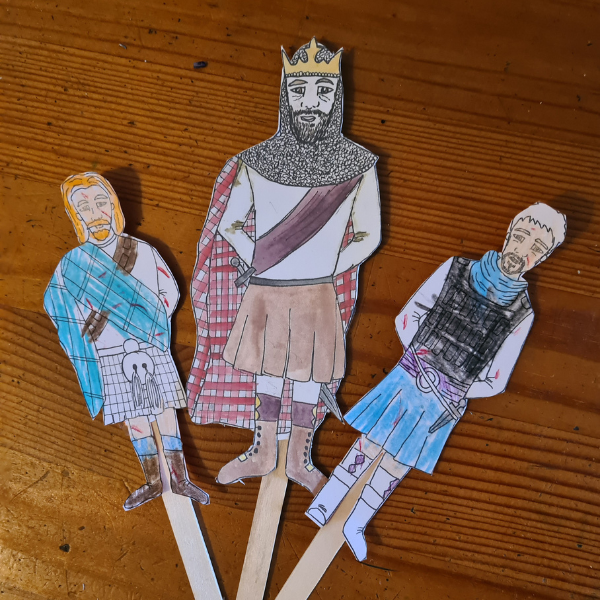
History Alive classes also begin in Key Stage 1 and continue into Key Stage 2. These lessons bring history to life through activities such as dressing up, making artefacts, and exploring traditions.
At Key Stage 2, children may move into Focus on History, which still includes engaging activities but begins to build the foundation for GCSE-level skills.
Broadening Interests (Ages 8+)
From around age 8, children can begin exploring a wider range of humanities and social sciences.
This includes subjects such as law, criminology, psychology, sociology, classics, debating and drama, philosophy, PSHE, and Environmental Management.
This variety allows children to discover interests they may not have encountered before and develop a broader understanding of the world.
It is worth noting that while age ranges are a guide, subject matter and discussion topics will always be age appropriate. This is important to consider if a child is significantly younger or older than the suggested range.
How Learn Laugh Play Can Support Your Child’s Humanities Learning
Humanities and social sciences are one of the areas of learning that often works particularly well in home education.
At Learn Laugh Play, we specialise in supporting home-educating families with flexible, engaging humanities learning that encourages curiosity and deeper understanding.
We encourage children to follow their interests and, where appropriate, use lessons and optional extra learning as a starting point for further exploration at home.
Each class includes a live session, recording, and opportunities for continued learning.
To explore options, visit the Classes page and search for humanities subjects or specific topics.
Our Teachers
We have a wide range of teachers covering our humanities and social sciences classes.
It is quite common for children to develop favourite teachers and choose additional classes with them. This can often lead to exploring subjects they had not previously considered.
You can watch short introduction videos of our teachers to help your child feel comfortable before joining a class. However, it is always worth keeping an open mind — all of our teachers are carefully chosen and bring something different to their lessons.
Flexible Pathways
You can download the full humanities pathway to see all of the classes available across ages 5–16.
This pathway includes all available options, helping you understand how different subjects and classes fit together.
We recommend using this alongside the Classes page, where you can search for individual classes and explore full details.
While every child is different, many families find that taking two humanities classes per week provides a broad and balanced understanding of the world.
Conclusion
Humanities and social sciences help children make sense of the world around them.
Exploring a range of subjects over time can lead to a deeper understanding of people, places, and ideas, as well as developing curiosity and a lifelong interest in learning.