
Home Education English Curriculum: Supporting Reading, Writing and Confidence
Quick Answer
A home education English curriculum supports children in developing reading, writing, communication, and confidence over time. On this page, we explain how English works in home education, what online English classes are available in the UK, and how to choose the right approach for your child.
English Pathway Download
Introduction
English is a central part of home education, but it does not need to follow a rigid or formal structure to be effective. With the right support, children can develop strong reading, writing, and communication skills in a way that feels engaging and manageable.
Many families search for home education English in the UK or online English classes that support a flexible learning approach. This guide is designed to help you understand the options available and how to build an English pathway that works for your child.
Our simple English Pathways download can help you to quickly see the options available at Learn Laugh Play to support your home education English curriculum.
What an English Curriculum Looks Like in Home Education
A home education English curriculum often includes:
– phonics and early reading
– spelling and grammar
– creative writing
– reading for enjoyment and understanding
– discussion and communication skills
At Learn Laugh Play, English classes range from early phonics through to Functional Skills and GCSE English Language and Literature.
How English Learning Can Work in Practice
Children may take part in a variety of English-related classes, such as:
– phonics and early reading and writing sessions
– writing-focused classes
– book clubs or themed learning
– drama and performance-based learning
Combining different types of English learning helps children build confidence across reading, writing, and communication.
Lessons are designed to be engaging and manageable:
– 40 minutes for younger children
– 50 minutes for older children
This allows time for focus, followed by a break before the next activity.
Age ranges are a guide, and families are encouraged to choose the level that feels right for their child.
What This Can Look Like for Your Child
Building Early Skills (Ages 4–7)
For younger children, phonics and Handwriting Heroes classes help parents feel confident that their child is learning to read and write.
At Learn Laugh Play, we bring our core values of Learn, Laugh, and Play into all subjects, and many children genuinely enjoy these early English sessions.
Developing Confidence (Ages 7–11)
Young Writers focuses on imagination and creativity. Children often find themselves writing naturally because they are engaged in the topic rather than focusing on the writing itself.
At this stage, classes such as Emerging Writers, Spelling Sense and Word Wizards help children build confidence in writing, spelling, grammar, and punctuation. These classes together cover key literacy skills in a manageable and engaging way.
Children may also explore interest-based classes such as Shakespeare or Harry Potter, or begin drama-based learning such as LAMDA.
Moving Towards GCSE (Ages 11+)
Older children may choose a combination of writing, literature, and exam-focused classes if they are working towards qualifications.
Our Focus on English classes provide Key Stage 3 level learning and prepare students for Functional Skills, GCSE, and IGCSE English.
For families planning GCSE English through home education, these classes offer structured preparation alongside flexibility.
How Learn Laugh Play Can Support Your Child’s English Learning
Learn Laugh Play offers a wide range of English classes designed to support different interests and learning styles.
At Learn Laugh Play, we specialise in supporting home-educating families with flexible, engaging English learning that builds both confidence and skills over time.
Families can:
– explore different teachers and approaches
– combine creative and structured classes
– build a personalised pathway
Each class includes a live session, recording, and additional learning support.
To explore options, go to the Classes page and search for “English” or the specific class name.
Supporting Your Child at Home
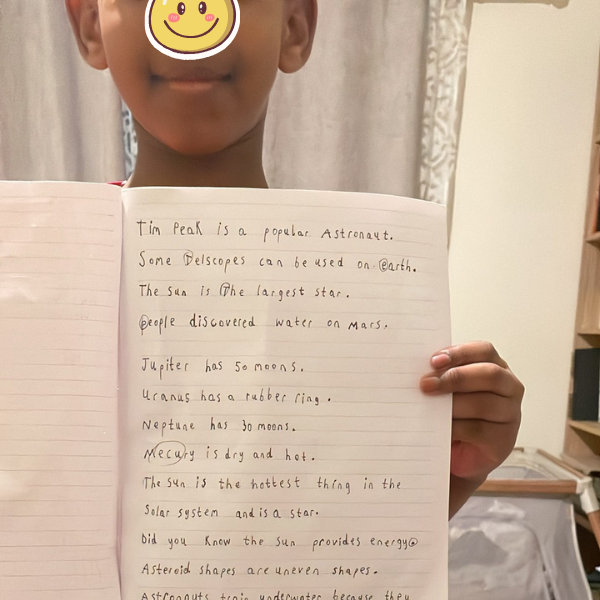
It can be really helpful to keep examples of your child’s writing, along with notes on what they are learning, what they are reading, and any areas they find more challenging.
Over time, it can be incredibly rewarding to look back and see how much progress has been made.
If your child is not yet reading or writing, it is important to keep things positive and low pressure. Progress often happens gradually, and celebrating small steps can make a big difference.
Flexible Pathways
You can download the full English pathway to see all of the classes available across ages 5–16.
This pathway includes all available options within Learn Laugh Play, helping you see how different classes fit together across age ranges.
You can then use the Classes page to search for any class that interests you and find full details before deciding what might suit your child.
Our English Teachers
At Learn Laugh Play, we are very careful in selecting our teachers.
Our secondary English teachers bring strong subject knowledge and a passion for language and literature, while our primary teachers create engaging and supportive learning experiences that help children build confidence.
Many of our teachers teach across different subjects, bringing a consistent and familiar approach that helps children feel comfortable.
Conclusion
English learning develops over time through exposure, practice, and enjoyment. A flexible and supportive approach can help children build confidence and develop a lasting connection with reading and writing.