
Simple and Flexible Ideas for Home Education Days
Quick Answer
Home education days can be simple and flexible, combining structured learning, informal activities, and time for exploration. Many families create a rhythm rather than a fixed schedule.
Introduction
One of the advantages of home education is the ability to shape each day.
Rather than following a fixed timetable, many families create a flexible structure that adapts to their child’s needs.
This guide shares simple ideas for structuring home education days.
Starting the Day
Some families begin with:
– a core subject such as Maths or English
– a short structured activity
– a discussion or reading session
This can help provide a sense of direction.
Including Flexible Learning
The rest of the day might include:
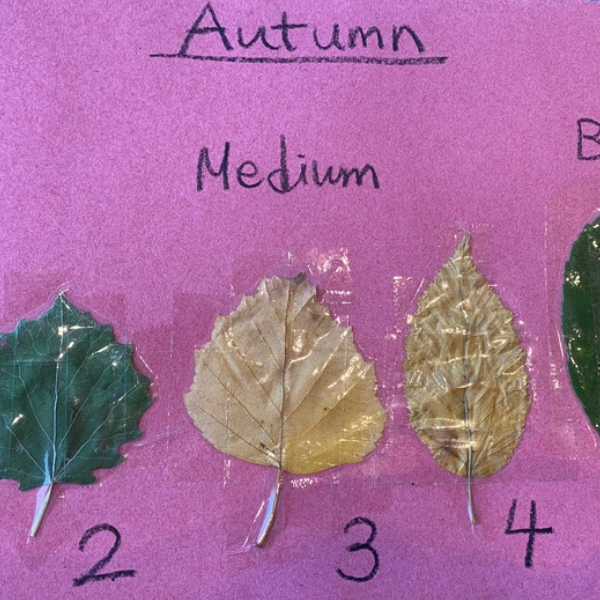
– projects
– creative activities
– practical tasks
– time for exploration
This allows learning to feel varied and engaging. It also allows for some independent learning which in itself is a valuable learning experience for your child but also can be very helpful for you!
Incorporating Everyday Activities
Daily life can also be part of learning.
This might include:
– cooking
– shopping
– outings
These experiences can support informal learning.
Balancing Structure and Flexibility
Many families use:
– structured learning for key areas
– flexible time for broader learning
– project learning for ongoing learning across curriculum areas (and beyond!)
Using Additional Support
Some families include structured classes as part of their routine. You are welcome to explore our classes and find some that meet your child’s needs.
Conclusion
Home education days can be simple and flexible, combining structure with opportunities for exploration.
By creating a rhythm that suits their child, families can build a balanced and sustainable approach.
You can explore more guidance throughout this section as you develop an approach that works for your child and your family.