
Educational Activities for Home Educated Children (By Age)

Quick Answer
Educational activities in home education can be adapted by age. Whilst all ages benefit from a range of learning style, younger children often benefiting from play-based learning, and older children, especially if they are preparing for exams, need to be able to spend time reading, writing, researching etc. It is still important however that they can learn in ways that suit them best.
Introduction
Choosing appropriate activities is an important part of home education.
While every child is different, it can be helpful to consider how learning activities may change as children grow.
This page outlines examples of educational activities by age, helping families build a balanced approach. It is intended as a brief overview to help new home educating families start to think about what might work for their child or children.
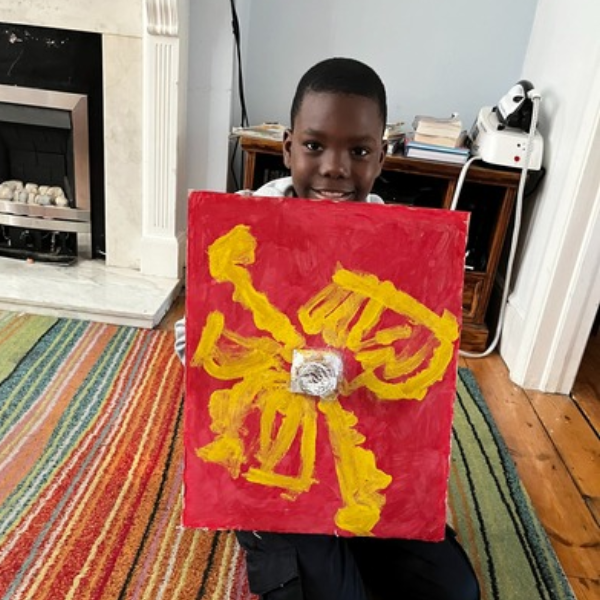
Early Years (Approx. Ages 4–7)
At this stage, learning is often:
– play-based
– hands-on
– exploratory
Activities might include:
– creative play
– storytelling
– simple games
– practical activities such as cooking or building
– early writing and reading skills (dependent on the child’s ability and interest)
These support early development and engagement.
At Learn Laugh Play (LLP Learning Space) we refer to this age as Key Stage 1, which is the term used in English schools. We use this term to help parents understand the level of work taking place in the class and the rough age of the children in the class. Parents are welcome to choose the class that best fits their child’s learning needs however. The age ranges are just a guide.
Middle Years (Approx. Ages 7–11)
Children may begin to:
– develop more structured skills
– engage in longer activities
– explore topics in more depth
Activities might include:
– project-based learning
– reading and writing activities
– practical experiments
– group activities or classes
This stage often combines play and structure.
At Learn Laugh Play we refer to this age as Key Stage 2, which is the term used in English schools. We use this term to help parents understand the level of work taking place in the class and the rough age of the children in the class. Parents are welcome to choose the class that best fits their child’s learning needs however. The age ranges are just a guide.
Older Children (Approx. Ages 11+)
Learning may become more:
– focused
– independent
– structured in some areas
Activities might include:
– subject-based study
– projects
– preparation for qualifications
– discussions and research
At Learn Laugh Play we refer to this age as Key Stage 3 (ages 11 – 14) and Key Stage 4 (ages 14 – 16), which is the term used in English schools. We use this term to help parents understand the level of work taking place in the class and the rough age of the children in the class. Parents are welcome to choose the class that best fits their child’s learning needs however. The age ranges are just a guide.
Balancing Structure and Flexibility
Across all ages, many families combine:
– structured learning
– enrichment activities
– informal experiences
At Learn Laugh Play, one of our priorities is to aim to make each class magical. It is very important to us that we aim for each live lesson to be inspiring and fun for our learners.
You can explore this balance between core subjects and enrichment on this page – How to Balance Core Subjects and Enrichment.
Conclusion
Educational activities in home education can be adapted to suit different ages and stages.
By combining play, exploration, and structured learning, families can create a balanced approach that evolves over time.
You can explore more guidance throughout this section as you develop an approach that works for your child and your family.