
Homeschooling, or home education, has a long history worldwide. While it may feel like a modern trend, educating children at home was once the norm, long before formal school systems existed. Find out about homeschooling UK and in the world below.
A Short History of Homeschooling
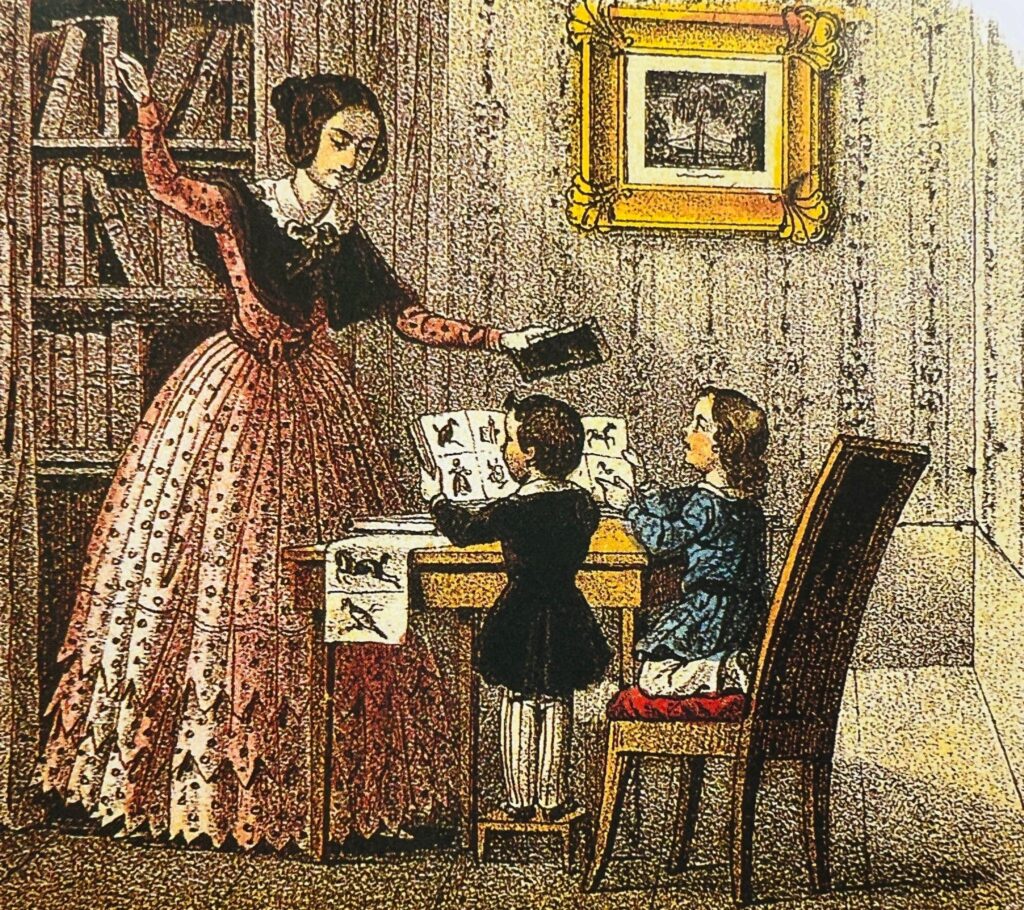
For centuries, children were educated at home or within their communities. In ancient Greece and Rome, families often used tutors, while others learned through daily life and practical skills. Formal schooling only became widespread in the 19th century, when governments introduced compulsory education to support growing industrial societies.
In the 20th century, interest in homeschooling began to return. Educational thinkers uch as John Holt helped spark modern homeschooling by encouraging more child-led, experience-based learning outside traditional schools.questioned traditional schooling, and families started exploring more flexible ways of learning. With the rise of the internet, homeschooling became more accessible, with resources, online classes, and homeschool learning programs supporting families around the world.
Homeschooling vs Home Education in the UK
In the UK, many families distinguish between homeschooling and home education. The term homeschooling often suggests a structured, school like approach at home, using timetables and formal homeschool learning programs. In contrast, home education is usually understood as a more flexible approach, where learning can be child led, interest based, and adapted to each family.
While people searching online often use terms like homeschooling UK, in practice most UK families choose a style of home education that does not try to replicate school at home.
The History of Home Education in the UK
Home education in the UK has always existed alongside formal schooling. Even after compulsory education laws were introduced, parents retained the legal right to educate their children at home. This is set out in Section 7 of the Education Act 1996, which states that children must receive a suitable education, either at school or otherwise. In the late 19th and early 20th centuries, educational thinkers such as Charlotte Mason influenced home education in the UK with an approach focused on rich learning, good habits, and respect for the child as an individual. Many home educators are still inspired by Charlotte Mason today.
Since the 1970s, home education in the UK has grown steadily, as more families have looked for alternatives to traditional schooling. In recent years, particularly following the COVID 19 pandemic, homeschooling UK has become more visible, with families combining independent learning, online classes, and structured homeschool learning programs.
Home education and homeschooling UK Today
Today, home education (or home schooling if that is what you would like to call it!) in the UK includes a wide range of approaches.
Many families choose a blended approach, combining project based learning and online classes with opportunities for children to connect with others through a wide range of opportunities within the local home ed community. This allows for both flexibility and structure, making homeschooling UK a practical and increasingly popular option for many families.
If you are exploring homeschooling UK, you may find it helpful to combine flexible home education with some structured support. Learn Laugh Play offers affordable, gentle and fun online classes from £3, designed for home educating families.
 4 new PinWins added every single month!