
Choosing Between Structured and Child-Led Learning in Home Education
Quick Answer
Home education can be structured, child-led, or a combination of both. Many families use a flexible approach, adjusting the level of structure depending on the child, the subject, and their stage of learning. In reality the lines between structure and flexibility are probably not hard for most families – we all tend to do a bit of both!
Introduction
One of the key decisions in home education is how to structure learning.
Some families prefer a clear, structured approach, while others follow a more interest-led or flexible path. Many find that a combination of both works best over time. How you start your home education journey will evolve over time, and you will gradually find what works best for your family.
This page outlines the differences between these approaches and how families often decide what works for their child. We will describe both scenarios, but in reality they do tend to blend into each other in home education.
What Is Structured Learning?
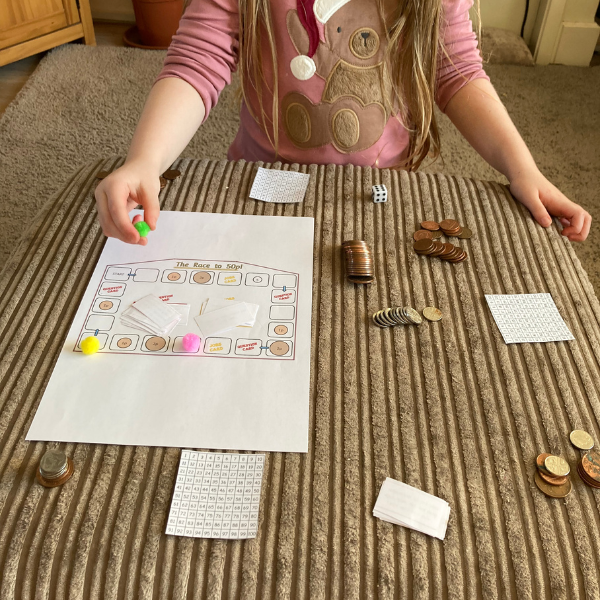
The concept of structured learning primarily involves the idea of working to a timetable. It might include:
– set subjects such as Maths and English
– planned lessons or programmes
– regular study times
– clear learning goals
Some families use structured learning to provide consistency and ensure coverage of key subjects. Maths and English are the two subjects that almost all children will need when they start college although GCSEs are not the only option. You can explore GCSE level pathways here.
There is more information about how to structure learning in our Home Education Learning Pathways where you can explore what this might look like for your children.
What Is Child-Led Learning?
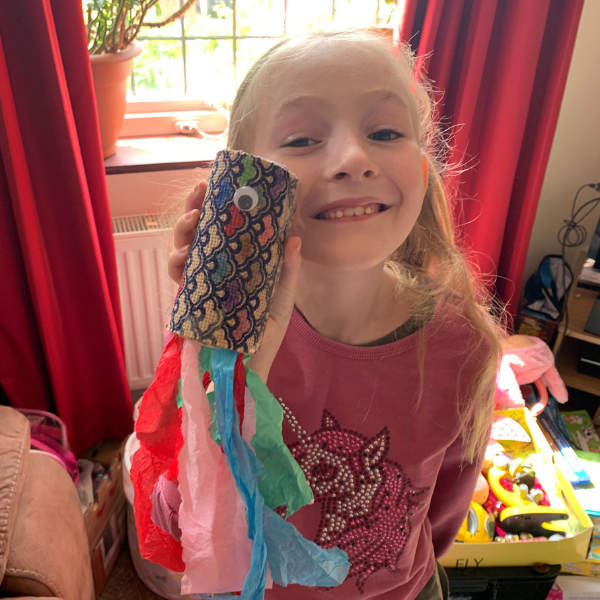
Child-led learning is guided more by the child’s interests and curiosity. It is one of our favourite ways for children to learn!
This might involve:
– exploring topics in depth
– following questions as they arise
– learning through projects or real-life experiences
– less emphasis on formal lessons
This approach allows learning to feel more flexible and responsive.
Using a Blended Approach
Generally it is best not to think that you have to choose between structure and child based learning. The reality is that you will probably want some structure, and the reassurance that certain subjects are covered. But you probably also want learning to be a joyful and exploratory experience. This is why so many home education families incorporate elements of both or try not to distinguish between the two. Many families find that a blended approach works well.
This might include:
– structured learning for a set amount of time each day or each week
– a more flexible block of time allocated specifically to child-led learning
– project-based learning to connect subjects together
This allows for both consistency and flexibility.
What Works at Different Stages?
The balance between structured and child-led learning can depend on:
– the child’s preferred way of learning
– the child’s age
– their confidence with learning and in a specific subject
– whether they are working towards qualifications
For example:
– younger children may benefit from more exploratory learning
– older children may need more structure for exams
How Learn Laugh Play Can Support Both Approaches
Some families choose to include structured support as part of a flexible approach. Live lessons lend themselves to being part of your structured timetabled parts of the week, but what we try very hard to do through our lessons is to provide learning in such a way that a child’s imagination and enthusiasm are sparked. It is very common for chldren to want to “do more” of the learning that has started in the lesson.
When our lessons are a fun starting point and an excited child wants to find out more independently or with you, or keep practising a skill that they previously found difficult, then we have achieved what we set out to achieve! This then makes the parent’s job easier in the less structured parts of the day or week, because their child is already keen to practise specific skills or extend their learning.
Learn Laugh Play offers:
– live classes (with recordings included in each class membership)
– subject-based learning support
– enrichment opportunities within all our lessons and outside of lessons
These can be used as a starting point and/or alongside child-led learning, helping families maintain flexibility while adding structure where needed.
You can explore this further on our Classes page.
There Is No Single “Right” Approach
Home education does not require choosing one approach over the other.
Many families:
– try different methods over time
– adjust their approach as their child develops
– combine structure and flexibility in different ways
What works well for one child may not work in the same way for another.
Conclusion
Structured and interest-led learning are both valid approaches to home education.
Many families find that a combination of the two provides both stability and flexibility, allowing learning to adapt as their child grows.
You can explore more guidance throughout this section as you develop an approach that works for your child and your family.