Home Education Science and Technology Curriculum: Building Curiosity, Knowledge and Understanding
Quick Answer
A home education science curriculum helps children develop curiosity, knowledge, and understanding through hands-on learning and clear explanations. On this page, we explain how science works in home education, what online science classes are available in the UK, and how to build a pathway that suits your child.
Science Pathway Download
Introduction
Science is a subject that often sparks natural curiosity in children. In home education, it can be explored in a way that balances hands-on discovery with clear understanding of key concepts.
Rather than feeling purely textbook-based, science can become something children actively engage with and enjoy.
Many families search for home education science in the UK or online science classes that support flexible learning. This guide is designed to help you understand the options available and how to build a science and technology pathway for your child.
What a Home Education Science Curriculum Can Look Like
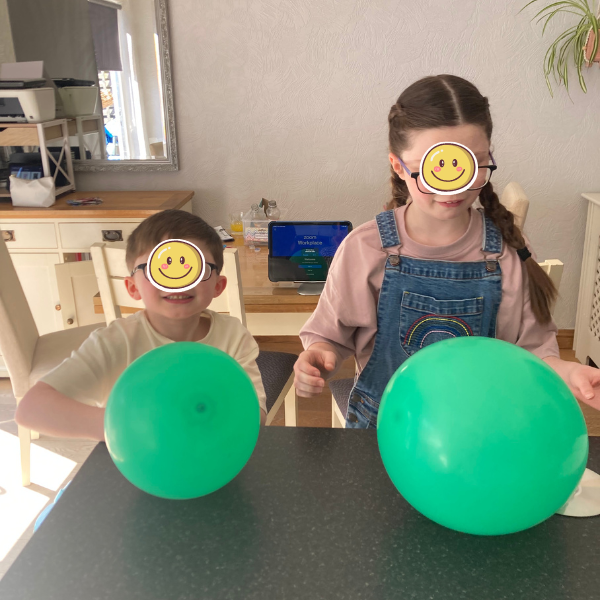
A home education science curriculum often includes:
– exploring how the world works through observation and questions
– learning key scientific concepts such as biology, chemistry, and physics
– developing practical and investigative skills
– building towards more structured learning for older children
At Learn Laugh Play, science and technology classes range from early exploratory learning through to Focus on Science and GCSE pathways.
We offer Primary Science and STEAM from around age 7, which gradually develops into more structured learning.
It is worth noting that while many people assume science is compulsory at GCSE, this is not the case. Some children choose to continue with science because they enjoy it or need it for future pathways, while others choose different directions.
For younger children, Computer Club, Lego Club, and Minecraft-based learning are available from around age 5 for those who are interested.
How Science Learning Can Work in Practice
Science can be approached in different ways depending on the child.
Some families choose one science class per week, while others combine general science with technology or STEAM-based learning to broaden their experience.
Lessons are designed to be engaging and manageable:
– 40 minutes for younger learners
– 50 minutes for older learners
This allows children to focus during lessons and then take a break, snack, or movement between sessions.
Age ranges are a guide, and families are encouraged to choose the level that feels right for their child.
What This Can Look Like for Your Child
Exploring and Discovering (Ages 5–9)
Younger children may begin with hands-on science and technology experiences such as Primary Science, Computer Club, Lego Club, or Minecraft-based learning.
These classes focus on curiosity, exploration, and understanding how things work in a fun and engaging way.
Building Knowledge (Ages 9–12)
As children grow, they may begin to explore more structured science learning through classes such as Focus on Science, while still enjoying practical and engaging lessons.
At this stage, combining science with STEAM or technology-based learning can be particularly effective.
Moving Towards GCSE (Ages 12+)
Older children may choose to move into more formal science pathways, including GCSE or IGCSE subjects such as Biology, Chemistry, and Physics.
For families planning science GCSEs through home education, these classes provide structured preparation while still allowing flexibility.
How Learn Laugh Play Can Support Your Child’s Science and Technology Learning
Learn Laugh Play offers families the opportunity to explore science and technology in a way that supports both curiosity and understanding.
At Learn Laugh Play, we specialise in supporting home-educating families with flexible, engaging science learning that balances practical exploration with clear teaching.
Families can:
– explore different areas of science and technology
– combine practical and theoretical learning
– choose a pace that supports understanding
Each class includes a live lesson, recording, and optional additional learning activities that can be used throughout the week.
Our science and technology classes are designed to be hands-on, engaging, and enjoyable while still supporting meaningful learning.
To explore options, visit the Classes page and search for “Science” “Computer” or specific class names.
Flexible Pathways
You can download the full Science and Technology pathway to see all available classes across ages 5–16.
This pathway includes all options, helping you understand how different subjects and classes fit together as your child grows.
We recommend using this alongside the Classes page to explore individual classes in more detail.
Conclusion
Science does not need to be rushed or overly formal. When children are given space to explore and understand concepts at their own pace, their curiosity and confidence often grow naturally.