
What Is Project-Based Learning in Home Education?
Quick Answer
Project-based learning is an approach where children explore a topic in depth through activities that connect multiple subjects. It is commonly used in home education to support engagement and deeper understanding.
Introduction
Project-based learning is a popular approach in home education because it allows children to explore topics in a more connected and meaningful way.
Rather than studying subjects separately, learning is organised around a central topic or project.
This page explains how project-based learning works and how families use it in practice. It is intended as a short introduction to support new to home education families begin to explore this exciting way to learn!
How Project-Based Learning Works
In project-based learning, a topic becomes the focus for multiple areas of learning.
For example, a project on space might include:
– science (planets, gravity)
– maths (measuring distances)
– writing (reports or stories)
– art (models or drawings)
This approach allows subjects to connect naturally. It can be a really fun and relaxed way to learn and children often get very excited about a topic and parents are able to “run with it”! This list is not comprehensive – it might be you suddently start delving into the history of Yuri Gagarin which leads to looking at Soviet History which then leads to Communism and then to Capitalism! Project based learning can be an adventure…
Benefits of Project-Based Learning
Many families use project-based learning because it can:
– increase engagement
– support deeper understanding
– encourage curiosity
– allow children to take an active role in learning
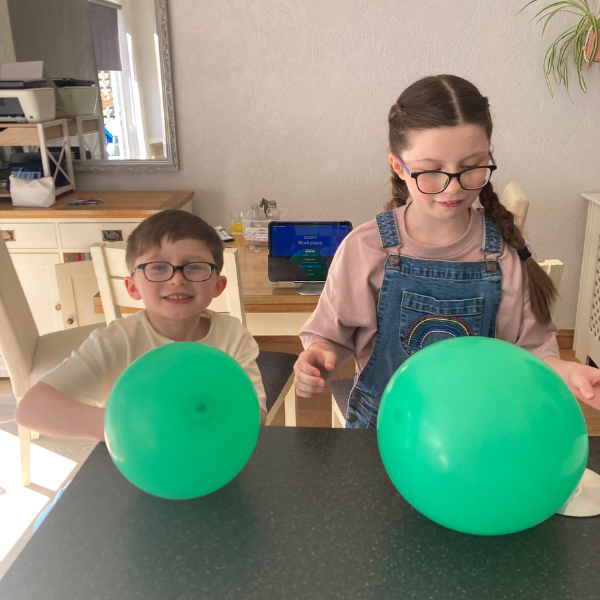
It can also make learning feel more relevant and enjoyable. Project based learning can be great if you have home educating siblings as they can wok together and inspire each other’s learning.
Balancing with Other Approaches
Project-based learning is often used alongside other methods.
For example:
– structured learning for core subjects
– projects for wider topics
This combination can provide both consistency and flexibility.
You can explore this further on this page – How to Create a Flexible Learning Plan at Home.
Adapting Projects to the Child
Projects can be adapted based on:
– age
– interests
– ability
Some projects may be short and simple, while others may develop over a longer period. How engaged a child is can determine how deeply you dive into a subject. If a child has a fear of a subject or a dislike of a subject, project based learning can help you to introduce small elements of that subject gently which can be less confronting for your child. Learn Laugh Play have a growing collection of home education project books available if you would like to take a look. They are being created by Courtney, one of our much loved teachers and are full of fun ideas with a very “LLP” feel!
Conclusion
Project-based learning offers a flexible and engaging way to explore topics in home education.
Many families find that combining projects with other approaches creates a balanced and effective learning experience.
You can explore more guidance throughout this section as you develop an approach that works for your child and your family.
 4 new PinWins added every single month!