
Learning at Home: A Simple Way to Make It Work Using Projects
Quick Answer
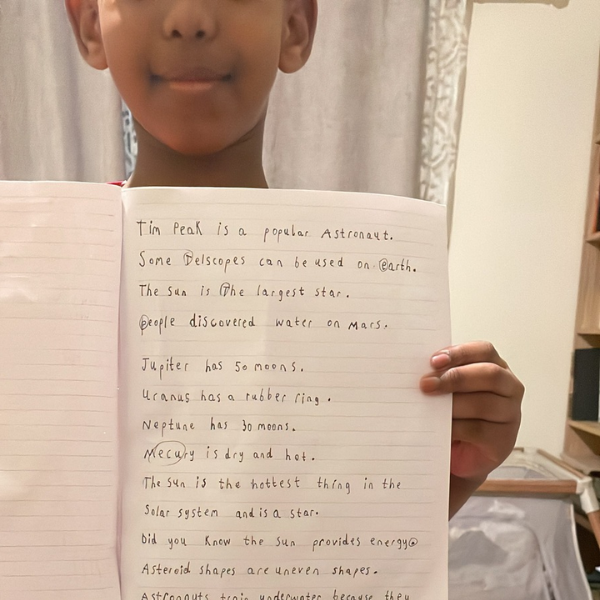
Learning at home does not need to be complicated. One of the simplest and most rewarding ways to make it work day-to-day is by using project-based learning, where one topic is explored through different activities. This helps children stay engaged while still covering key skills like reading, writing, and maths.
If you’re not sure how to structure learning from home, this is one of the easiest ways to start.
Introduction
If you’re new to home education, it can sometimes feel overwhelming.
The good news is — learning at home does not need to look like school.
In fact, trying to recreate school at home often makes learning at home stressful for your child and you.
An effective approach is to combine:
– simple structure, lessons etc for core skills
– flexible learning that keeps children interested
Project-based learning is a great way to relax and allow learning to feel natural and manageable.
Choosing a Topic
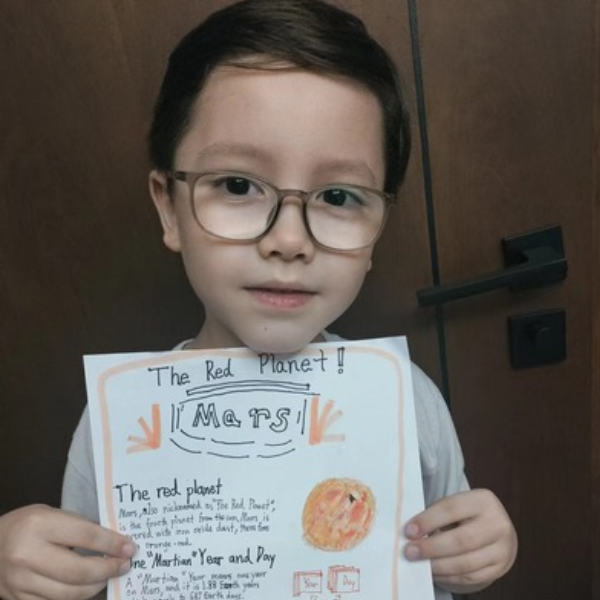
One of the simplest ways to start learning at home is to choose a topic your child already enjoys.
This could be:
– space
– animals
– history topics
– real-world issues
This step matters more than it might seem.
When children are interested, learning from home becomes:
– easier to start
– easier to continue
– less of a struggle overall
If a child is engaged, you are already halfway there.
Connecting Subjects
A common concern for new home educating families is:
“How do I cover all the subjects?”
Project-based learning solves this naturally. Instead of teaching everything separately, one topic can include:
– reading and writing
– maths
– science
– creative activities
– language
For example, a topic like animals could include (as a very basic starting point):
– writing about habitats
– measuring sizes or weights
– learning about ecosystems
– drawing or building models
This makes learning feel connected and purposeful, rather than a list of separate tasks.
Planning Activities
You do not need a 35 hour weekly timetable to make home educating successful. In fact, keeping things simple is often more effective.
Activities might include:
– short research tasks
– building or creating something
– simple experiments
– talking through ideas together
A good approach is to plan just a few clear activities across the week.
This avoids overwhelm while still making steady progress.
Balancing Structure
One of the biggest mistakes when starting learning at home is going too far in one direction.
Either:
– too much structure (trying to copy school, creating stress)
or
– not enough structure (feeling unorganised)
Most families find a balance works best:
– regular lessons for part of the learning week
– project-based learning to create balance and more spontaneity
This gives children consistency, while still keeping learning interesting.
Using Support and Resources
You do not need to create everything yourself when learning from home.
Using the right support can save time and reduce stress.
Families often use:
– books and library resources
– online learning tools
– structured classes
Having ready-made ideas can make a big difference, especially when using project-based learning.
Learn Laugh Play have started creating project-based learning packs designed to make this easier. These give you clear, structured ideas around a topic, so you are not starting from scratch each time.
This can be particularly helpful if you want to make learning at home feel more organised without adding pressure.
You can explore our project packs in our shop.
Conclusion
Learning from home does not need to feel overwhelming. Starting with simple topics and using project-based learning can make the whole process feel more manageable and more enjoyable.
By combining a little structure with flexible learning, you can create an approach that works and is actually fun for you and your children!
 4 new PinWins added every single month!