
Home Education Maths Curriculum: How to Build Confidence and Progress at Every Stage
Quick Answer
A home education Maths curriculum helps children build confidence, understanding, and steady progress over time. In this guide, we explain how Maths works in home education, what online Maths classes are available in the UK, and how to choose the right approach for your child.
Mathematics Pathway download
Introduction
Maths in home education does not need to feel pressured or overwhelming. With the right support, children can build confidence, develop strong foundations, and make steady progress over time.
Many families search for home education Maths in the UK or online Maths classes that support a flexible learning approach. This page is designed to help you understand the options available and how to build a Maths pathway that works for your child. Our LLP Pathways document is a useful quick reference to help you to see what options are available to support your home education Maths curriculum.
What a Home Education Maths Curriculum Can Look Like
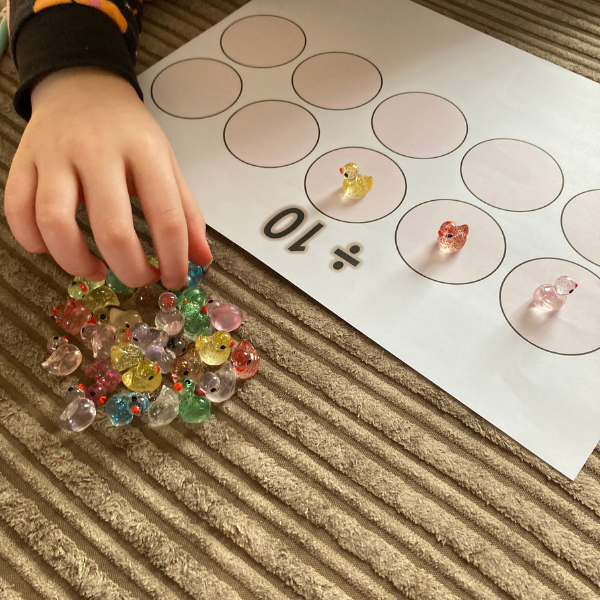
A home education Maths curriculum often includes a mix of:
– building core skills such as number, operations, and problem solving
– practising key concepts regularly
– revisiting topics to strengthen understanding
– gradually introducing more formal Maths as children grow
At Learn Laugh Play, Maths classes range from early number confidence and play through to GCSE and IGCSE pathways.
We take our responsibility to ensure that your child covers the whole curriculum seriously. Our classes are structured so that children can progress naturally when they are ready to but you know that there are not going to be any “gaps” in their learning.
How Maths Learning Can Work in Practice
Children may take one or more Maths classes each week, depending on their needs and confidence.
For some children, one class a week provides steady support. For others, especially as they get older or are working towards exams, having two Maths sessions each week can help reinforce learning and build fluency.
Lessons are designed to be manageable:
– 40 minutes for younger children
– 50 minutes for older children
We have found that this amount of time, combined with engaging teaching, allows children to focus during lessons and then have time for a quick break, snack, and movement before their next class.
Age ranges are a guide, and families are encouraged to choose the level that feels right for their child.
What This Can Look Like for Your Child
Early Maths (Ages 4–7)
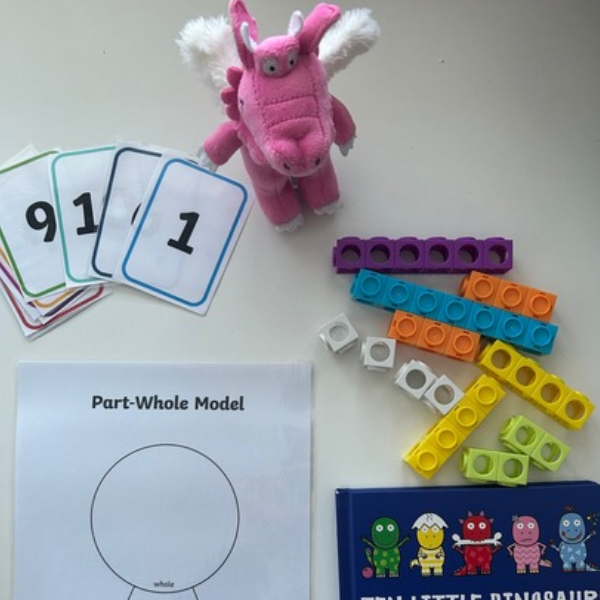
A younger child might begin with playful Maths experiences such as Maths Through Play and Young Mathematicians.
Building Confidence (Ages 7–11)
As they grow, they may move into exploring more Maths skills and concepts through engaging activities in classes such as Strides in Maths and Maths – Stress = Happy. Breakfast Tables clubs and Tricky Maths classes provide extra support at this stage.
These classes focus on building confidence in core Maths skills that are used repeatedly in later learning. Once children feel secure in Key Stage 2 concepts, they may move into Focus on Maths.
Moving Towards GCSE (Ages 11+)
The Learn Laugh Play Focus on Maths classes are Key Stage 3 level classes that begin to build early GCSE skills and provide excellent preparation for GCSE or Functional Skills Maths.
Maths Revision and Recap classes support consolidation of learning and help revisit anything that is still difficult to understand or remember.
For families planning GCSE Maths through home education, these classes provide structured preparation while still allowing flexibility.
Some children who particularly enjoy Maths may choose to take both Focus on Maths and Higher Focus on Maths until they feel confident enough to continue with one.
It is important not to rush through foundations. Strong understanding at each stage makes later learning much more manageable. Children attending live lessons can check in with their teacher if they are unsure about their level.
Eventually, many children progress towards GCSE, IGCSE or Functional Skills Maths, depending on their chosen pathway.
Marking
The LLP Maths teachers usually include answer sheets with the worksheets provided for each class. Teachers may go through answers in class or ask families to check at home. Many parents find it helpful to review work themselves to understand how their child is progressing.
At GCSE level, teachers may ask students to send in work for marking. Closer to exams, there is also the option to have exam papers marked with feedback provided.
How Learn Laugh Play Can Support Your Child’s Maths Journey
Learn Laugh Play offers a wide range of Maths classes designed to support children at different stages and levels of confidence.
At Learn Laugh Play, we specialise in supporting home-educating families with flexible, structured Maths learning that builds both confidence and understanding.
Each class includes a live lesson, recording, and optional extra learning between sessions.
Many families use lesson content alongside additional activities to extend Maths learning throughout the week. For GCSE and Functional Skills students, the optional extra learning (around 30–40 minutes per week) is an important part of progress.
To explore options, go to the Classes page and search for “Maths” or the specific class name to find full details.
Our Maths Teachers
Maths can feel like a challenging subject for some families, particularly if there have been difficult past experiences. We understand that supporting Maths at home can sometimes feel like a big responsibility.
Many parents tell us how much they enjoy their child’s Maths lessons and how different the experience feels compared to their own time at school.
Our teachers are chosen because they are home education friendly and work hard to make Maths engaging and accessible. Creating a safe learning environment is very important to us. Children are never put on the spot and can choose how they participate, including observing or watching recordings.
You can find out more about our teachers on our Teachers page, including videos that can help your child feel more comfortable before trying a class.
The Learn Laugh Play Maths Pathway
You can download the full Maths pathway here to see all of the classes available for each age range.
Remember that age ranges are a guide. If you feel a class is right for your child, you are welcome to try it. It is also important to consider the social tone of the class if your child is significantly younger or older than the suggested range.
We recommend exploring each option on the Classes page (using the search function) to find the best fit for your child.
While every child is different, many families find that two Maths classes per week works very well.
Mathematics Pathway download
Conclusion
Wherever your child is in terms of their Mathematical ability or confidence, Learn Laugh Play can support them in building understanding and making progress at a pace that suits them.
If you have any questions, you are always welcome to get in touch and we will do our best to support you and your child.